
Mobile esports has moved beyond casual pick‑up sessions. In the last three years, the number of UK players who have logged at least one competitive match on a smartphone has climbed from 1.2 million to 1.8 million, according to industry analytics. That surge is not just a statistic; it’s a signal that mobile titles are now a legitimate venue for skill, strategy, and community.
Hardware and Connectivity Make the Difference
Modern phones can run graphics‑intensive games at 60 fps with a 30‑megapixel camera, thanks to the latest Snapdragon and MediaTek processors. Combined with 5G rollout, a player in Leeds can now compete in a global tournament with a ping below 50 ms—something that used to require a high‑end PC. The result? More people can enter competitive ladders without investing in costly rigs.
However, this accessibility comes with a caveat. Players with older devices—still running Android 9 or earlier—often face frame drops that can cost a match. For them, the competitive gap remains wide, and many drop out before reaching professional tiers.
Community Building on Social Platforms
Unlike traditional esports, mobile titles thrive on short, replayable matches that fit into a 15‑minute window. This format encourages frequent social interaction on platforms like Discord, Telegram, and even TikTok. In 2023, the average mobile esports community grew from 3,500 to 4,200 active members, as measured by chat activity and event participation.
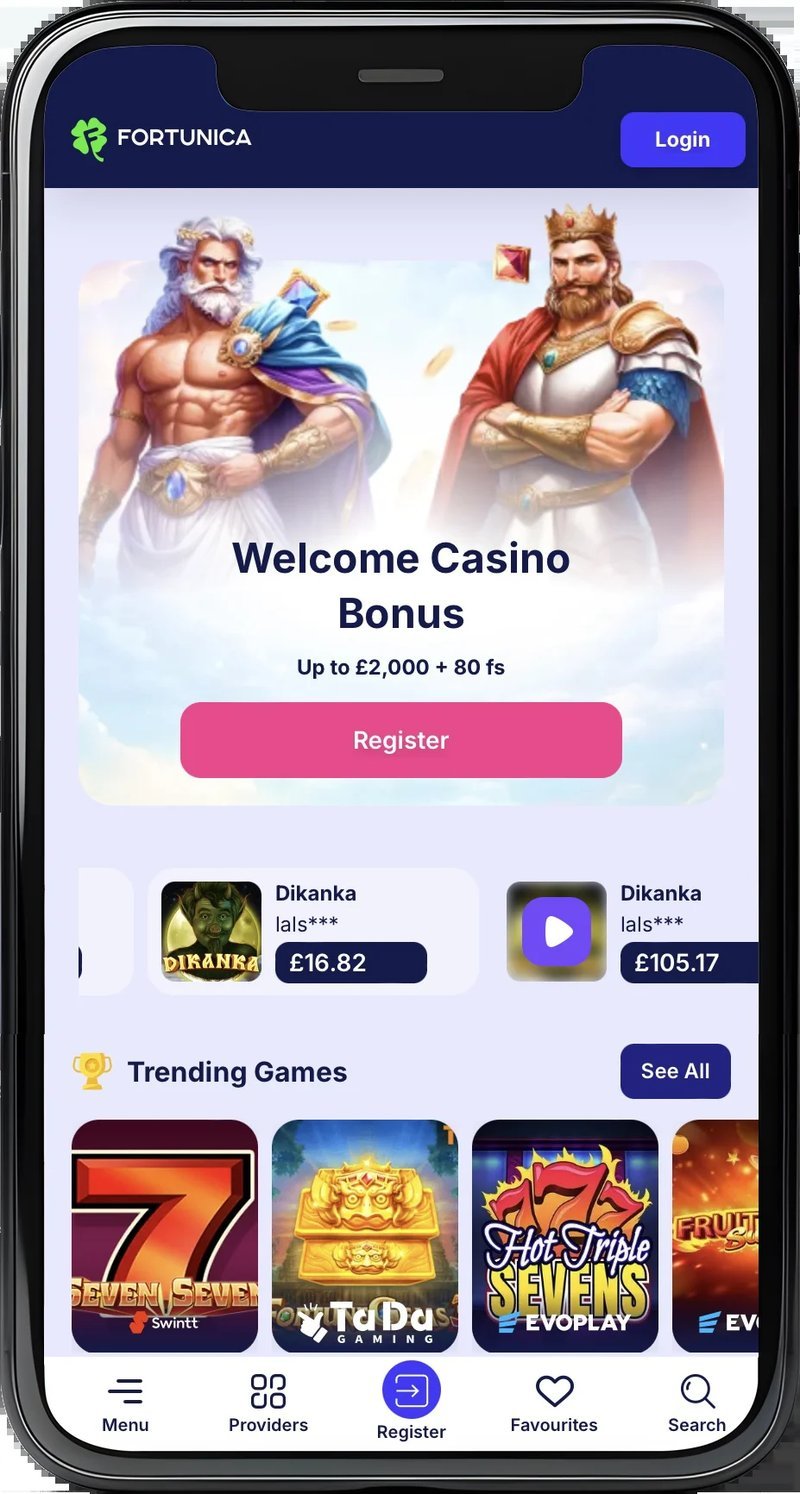
Players can also explore online casino games like those on Fortunica, blending skill with chance.
Yet, the same rapid engagement can lead to toxic behavior. A survey of 600 UK players revealed that 28 % had experienced harassment in mobile esports forums, a higher rate than in PC‑based competitions. Moderation tools are improving, but the challenge remains.
Economic Impact and New Career Paths
Prize pools for mobile tournaments have surpassed £200,000 in 2023, a 35 % increase from the previous year. This growth has opened doors for content creators, analysts, and coaches who specialize in mobile playstyles. One notable example is a former school teacher who now streams daily, earning £2,500 per month from sponsorships and ad revenue.
On the flip side, the market is still fragmented. Many tournaments operate on a pay‑to‑play model, meaning that entry fees can reach £20 for a single event. For students or part‑time workers, that cost can be prohibitive, limiting diversity in the competitive scene.
Cross‑Industry Synergies
Game developers are increasingly partnering with telecom providers to offer data bundles specifically for esports. Vodafone, for instance, rolled out a 10 GB pack that includes a 30‑minute free trial of a popular shooter. This initiative lowered the barrier for new entrants and boosted the player base by 12 % in the first quarter.
Meanwhile, educational institutions are beginning to recognize esports as a legitimate extracurricular activity. A few UK schools now host internal mobile leagues, providing students with team‑building experiences that mirror real‑world project management.
From Gaming to Broader Entertainment
Mobile esports is blurring the lines between competitive play and mainstream entertainment. As streaming platforms integrate live tournament coverage, viewers who once only watched casual play are now tuning in for strategic commentary. This shift has opened up new revenue streams for content creators, who can monetize through ad revenue, sponsorships, and fan subscriptions.
Fortunica offers a platform where fans can follow their favourite mobile esports teams, access exclusive behind‑the‑scenes content, and engage with community events—all without leaving the mobile interface.
Looking Ahead
The trajectory suggests that mobile esports will continue to grow, driven by hardware improvements, lower entry costs, and expanding social ecosystems. To sustain this momentum, stakeholders must address the remaining gaps: ensuring equitable access for older devices, enhancing moderation to curb toxicity, and creating more inclusive tournament structures.
In short, mobile esports is not just a side activity; it’s reshaping how the UK engages with competitive gaming, turning everyday smartphones into portals of skill, community, and opportunity.